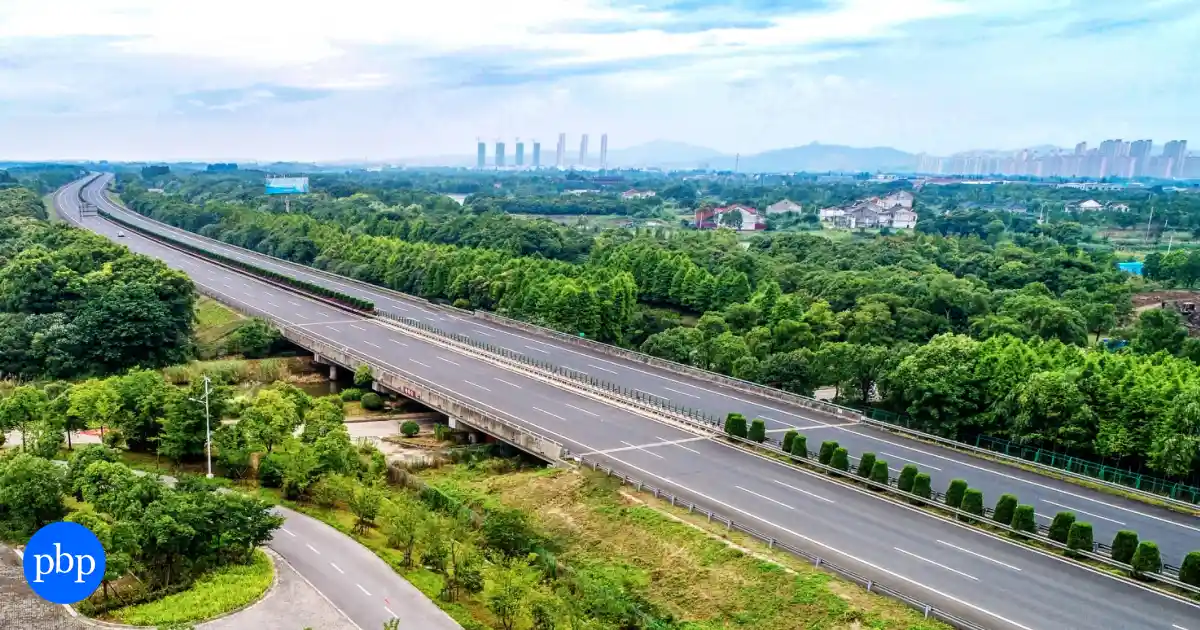
National highways are defined and maintained by the central government. These roads handle the largest volumes of interstate transport. They support trade, logistics, and regional development. There are more than 200 national highways in India. Among these, the ten longest stand out for their length and reach.
List of Top 10 Longest National Highways in India
|
Highway number |
Kilometres (Approx.) |
Route Details |
|
NH 44 |
4,122 |
Srinagar (Jammu and Kashmir) to Kanyakumari (Tamil Nadu) |
|
NH 27 |
3,507 |
Porbandar (Gujarat) to Silchar (Assam) |
|
NH 48 |
2,807 |
Delhi to Chennai (Tamil Nadu) |
|
NH 52 |
2,317 |
Sangrur (Punjab) to Ankola (Karnataka) |
|
NH 30 |
2,040 |
Sitarganj (Uttarakhand) to Ibrahimpatnam (Andhra Pradesh) |
|
NH 6 |
1,873 |
Jorabat (Meghalaya) to Seling (Mizoram) |
|
NH 53 |
1,781 |
Hajira (Gujarat) to Paradip (Odisha) |
|
NH 16 |
1,711 |
Eastern coast from West Bengal to Chennai (Tamil Nadu) |
|
NH 66 |
1,622 |
Panvel (Maharashtra) to Kanyakumari (Tamil Nadu) |
|
NH 19 |
1,435 |
Delhi to Kolkata (West Bengal) |
1. National Highway 44 (NH44): India’s Longest Highway
National Highway 44 is the longest highway in India. It stretches over 4,100 kilometres and runs from Srinagar in the Union Territory of Jammu and Kashmir to Kanyakumari at the southern tip of Tamil Nadu. This road covers more than ten states and union territories. It brings together diverse regions and climates. It also serves as a major freight route for goods moving up and down the country.
On this corridor, travellers experience a range of landscapes. The highway cuts through high hills and snow-covered valleys in the north, moves across fertile plains and dry plateaus, and ends near tropical coastlines in the south. NH 44 has been formed by connecting several older national highway segments. It links some of the largest cities and industrial regions of India.
2. National Highway 27 (NH27): The East-West Spine
National Highway 27 ranks as the second-longest highway in India. It is spread over 3,500 kilometres, covering Porbandar on the Gujarat coast in the west to Silchar in Assam in the east. It crosses states such as Rajasthan, Uttar Pradesh, Bihar and West Bengal. This highway is a major east-west transport corridor. It links western ports and industrial centres with farming and trading areas in the east. NH 27 supports heavy goods traffic and long-haul passenger buses. This highway is the lifeline for logistics companies and supply chain operations. It improves access between markets and reduces logistical congestion.
3. National Highway 48 (NH48): Capital to Capital
National Highway 48 connects Delhi with Chennai and cuts through major cities such as Jaipur, Ahmedabad, Vadodara, Mumbai, and Bengaluru along the way. It connects the national capital region with regional capitals and port cities. NH 48 is one of the busiest commercial routes in the country. This highway supports a high volume of freight traffic. It connects industrial hubs and export centres. It also passes through tourist destinations, which makes it a key route for passenger travel.
4. National Highway 52 (NH52): North to South
National Highway 52 stretches for more than 2,300 kilometres, running from Sangrur in Punjab to Ankola in Karnataka. Along its length, the highway passes through fertile agricultural regions in the north before moving into mineral-rich areas and coastal belts in the south. It plays an important role in transporting farm produce as well as industrial goods across states. By connecting regions with very different economic profiles, NH 52 helps support balanced development across the country.
5. National Highway 30 (NH30): Central Passage
National Highway 30 stretches for roughly 2,000 kilometres, running from Sitarganj in Uttarakhand to Ibrahimpatnam in Andhra Pradesh. It passes through the heart of the country, connecting several central and eastern regions. The highway plays an important role in moving agricultural produce and goods from manufacturing units. It helps smaller towns stay connected to larger cities, supporting everyday trade and travel.
6. National Highway 6 (NH6): Northeast Link
National Highway 6 stretches around 1,873 kilometres across the northeastern region. It starts at Jorabat in Meghalaya and ends at Seling in Mizoram. This highway plays a crucial role in connecting remote areas in the northeast with the other parts of India.
Infrastructure in the northeast has strategic importance, not only for economic reasons but also for the interest of national security.
7. National Highway 53 (NH53): West-East Transport
National Highway 53 runs for about 1,781 kilometres, connecting Hajira in Gujarat to Paradip Port in Odisha. It is one of the key routes that moves goods from western industrial hubs to ports on the eastern coast. A large share of freight traffic across central India passes through this highway, which makes it crucial for long-distance transport and trade. By offering a direct link between manufacturing hubs and export gateways, NH 53 supports industries such as steel, cement, and other bulk commodities.
8. National Highway 16 (NH16): Eastern Coastal Route
National Highway 16 runs along India’s eastern coast for roughly 1,711 kilometres, stretching from West Bengal down to Chennai in Tamil Nadu. Along the way, it passes through major port cities, such as Kolkata, Bhubaneswar, and Visakhapatnam. The highway is central to coastal trade, as it links ports with industrial and farming regions inland.
9. National Highway 66 (NH66): Western Coastal Road
National Highway 66 stretches about 1,622 kilometres. It runs from Panvel in Maharashtra to Kanyakumari along the western coast. The highway passes through several coastal states, including Goa, Karnataka, and Kerala. NH 66 is one of the busiest highways for regional freight and intercity travel. It supports tourism and local economies along the coast.
10. National Highway 19 (NH19): Delhi to Kolkata
National Highway 19 covers about 1,435 kilometres. It runs from Delhi to Kolkata, passing through Haryana, Uttar Pradesh, Bihar, and Jharkhand. This highway is a major east-west link and carries heavy freight traffic between northern and eastern states. NH 19 follows part of the historic Grand Trunk Road. It connects several industrial, cultural, and agricultural regions of India.
National Highways: The Lifelines of a Nation
India’s national highways are more than just roads made up of tar, concrete, stones, and all - they are the arteries that keep the country alive and get it going. They are the channels through which people, goods, and ambitions flow - mile by mile! They are not merely high roads, indeed. From the north to south run of NH 44 to the east to west routes such as NH 27 and NH 19, these highways reflect the vast scale and diversity of India.